

Is Your Marrakech Riad Actually Warm in Winter? What to Check Before Booking
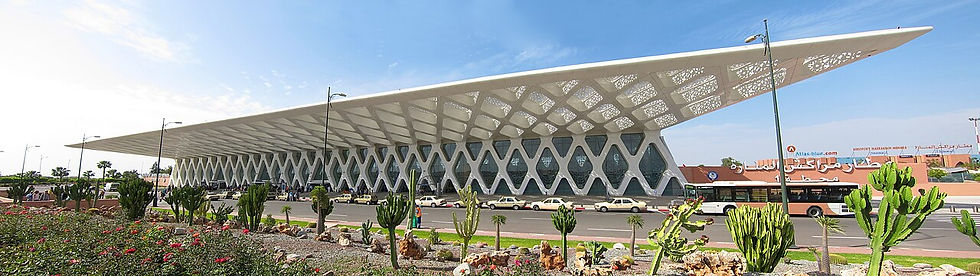
Marrakech has one of those winter climates that can fool you.

Photo: Dutch Morocco Investments SARL, Wikimedia Commons, CC BY SA 4.0. License: https://creativecommons.org/licenses/by-sa/4.0/
You can eat lunch outside in January, sit in the sun in a T-shirt, walk through the souks under a blue sky, and start wondering why you packed a jacket at all. Then the sun drops, the temperature changes quickly, and the beautiful riad you booked suddenly feels much cooler than the photographs suggested.
This is not an argument against staying in a riad in winter. Winter can be one of the nicest times to be in Marrakech. The city is easier to walk, the midday sun is pleasant, and rooftops can be wonderful during the day. But if you are booking a traditional house from roughly November through February, warmth is something you should check deliberately instead of assuming.
A swimming pool icon tells you almost nothing about winter comfort. So does an air-conditioning icon. A fireplace in the salon does not tell you whether your bedroom is warm at 6 in the morning.
The question is simple: will the place actually feel comfortable when the sun is gone?
Why Marrakech feels warmer outside than inside
Marrakech tourism authorities describe winter days as mild, with afternoons that can reach around 20 to 25 degrees Celsius, followed by a rapid temperature drop later in the day. The important detail is the day-to-night swing.
Traditional riads were not designed as modern sealed hotels. Their architecture is built around an interior courtyard, with rooms turning inward rather than toward the street. Thick walls, shaded spaces, tile, tadelakt, high ceilings, internal galleries and open or semi-open patios are part of what makes a riad feel so good in hot weather.
The same qualities can produce a different sensation in winter.
A room may not be objectively freezing, but cool floors, an unheated bathroom, a shaded courtyard and stone surfaces can make the building feel colder than the outdoor temperature suggests. The moment you leave the sunny rooftop and go back downstairs, you may understand why heating matters.
This is especially relevant if you are someone who sleeps cold, travels with children, wants long showers in the morning, works from the room, or simply expects hotel-style indoor warmth.
The first thing to ask: does every bedroom have heating?
Do not ask only whether the riad has heating.
Ask whether the specific room you are booking has its own heating and whether you control it yourself.
A property may have a fireplace in the salon, a heater in a common room or one warm lounge while bedrooms rely on reversible air conditioning. That may be perfectly comfortable, but you want to know before paying.
Several Marrakech riads publish this clearly. Riad O, for example, lists air conditioning and heating for its rooms. Riad Vendôme says its rooms use hot and cold air conditioning so guests can heat them in winter.
That is the level of detail you want.
A useful message to send before booking is:
"Hello, we are staying in January. Does our exact bedroom have its own heater or reverse-cycle air conditioning, and can we control the temperature ourselves at night?"
If the answer is vague, ask again.
"Heating available" is not the same as "your bedroom can be heated all night."
Reverse-cycle air conditioning can be completely fine
Some travelers see "air conditioning" and assume it only means cooling.
Many modern split units are reversible heat pumps. They cool in summer and heat in winter.
There is nothing inherently inferior about that. A properly sized unit in a closed bedroom can make the room very comfortable. What matters is whether the unit actually has a heating mode, whether it works well, and whether guests can use it freely.
If the property says the bedroom has hot and cold air conditioning, that is much more useful than a generic snowflake icon on a booking platform.
The details matter even more in larger rooms and suites. A small bedroom can warm quickly. A huge suite with a high ceiling and an open bathroom may take longer.
The bathroom is the part people forget
A warm bed and a cold bathroom is still a cold stay.
Traditional bathrooms can have tadelakt walls, tile or stone floors and large shower spaces. Beautiful, yes. Warm under bare feet in January, not necessarily.
If you are sensitive to cold, ask whether the bathroom itself has heating.
Riad Antara, for example, explicitly lists heated floors in bathrooms and restrooms in some of its accommodation information. That is unusually specific and exactly the kind of detail that matters more in winter than another photograph of a rooftop.
You do not need underfloor heating to enjoy Marrakech. But you should know what you are buying.
A small bathroom with a door, a decent bedroom heater and thick towels may be absolutely fine. An enormous open bathroom with no heat can feel very different.
The courtyard changes the whole house
This is one of the most interesting winter differences between riads.
Some properties partially or fully cover their courtyard during colder months. Others keep the central patio open to the sky year-round.
Neither is automatically better. An open courtyard keeps the architecture feeling airy and traditional. A winter cover can make common spaces dramatically more comfortable.
Riad Vendôme says it installs a transparent cover over its patio in winter, helping retain warmth while keeping daylight.
That is a practical piece of information you almost never see in glossy hotel photographs.
If you plan to spend time reading, eating breakfast or working in the common areas, ask:
"Is the courtyard open to the sky in winter, or is it covered?"
If it remains open, ask where breakfast is served on cold mornings.
A beautiful rooftop breakfast is less romantic if everyone is wearing three layers and holding the coffee cup for warmth.
A fireplace is a bonus, not a heating system
Fireplaces look fantastic in Marrakech accommodation photographs.
They can also make a winter evening genuinely lovely.
But a fireplace in the salon should be treated as atmosphere unless the property tells you it is part of the building's actual heating strategy.
Some riads light fireplaces in communal areas during winter. Others have fireplaces in particular suites. Riad Atay, for example, describes a salon fireplace for winter evenings. Riad El Hara advertises fireplaces in several of its rooms.
That can make a stay feel special, but it does not answer the basic question about bedroom temperature.
Think of the fireplace as the extra.
The boring electric heater or reverse-cycle AC is what may determine whether you sleep comfortably.
The pool question is completely separate
This is where booking pages cause a lot of confusion.
A property can advertise a pool all year and never claim the water is heated.
In Marrakech, that distinction matters.
If you are visiting in December or January and swimming is important to you, ask explicitly:
"Is the outdoor pool heated during my dates, and what temperature is it maintained at?"
Do not ask "Is the pool open?"
An open cold pool and a heated swimming pool are two completely different amenities.
Riad Ayadina advertises a heated rooftop pool. Riad Antara says its pool is heated. Riad Marrakchill describes a pool-heating option for winter. Riad Loudaya says its basin is heated year-round.
Those statements are useful because they say something specific.
Other properties may have beautiful plunge pools that are primarily for summer cooling. There is nothing wrong with that. The problem is paying extra because you saw the word pool and imagined winter swimming.
Heating on request deserves one more question
This phrase can mean several things.
It may mean heating is free but needs to be switched on in advance.
It may mean only one pool is heated.
It may mean heating costs extra per day.
It may mean heating is available only during certain months.
It may mean the water is warmed, but not to the temperature you personally consider comfortable.
Ask whether there is a charge and whether advance notice is required.
The same applies to private villas around Marrakech. Pool heating can be an important operational cost, so it is often charged separately.
You want the final price before you book, not after your children see the pool.
Do not confuse a heated pool with an indoor spa pool
A hotel may legitimately appear in search results for "heated pool" because the spa has a heated indoor pool.
That does not necessarily mean the large outdoor pool beside the sun loungers is heated.
Luxury resorts can have multiple pools with different temperatures and seasonal policies.
If your mental picture is swimming outside under the winter sun, verify that the outdoor pool is the heated one.
This is another reason affiliate-style hotel lists can be misleading when they simply scrape amenity filters.
The useful question is not "Does this hotel have a heated pool?"
It is "Which pool is heated during my exact travel dates?"
The best winter room is not always the prettiest room
A ground-floor room opening directly onto the patio may look incredibly atmospheric.
An upper room may get more sun.
A huge suite may have more volume to heat.
A smaller enclosed room may warm faster.
A bathroom with an external wall may feel colder.
Room orientation and layout can matter.
If winter comfort is a priority, ask the property which room they recommend for the coldest months rather than automatically choosing the room with the most dramatic photographs.
A good owner or receptionist knows the house far better than the booking engine does.
They know which room gets afternoon sun, which unit heats fastest, which bathroom has underfloor heating, and which suite sits closest to the open terrace.
Use that knowledge.
Who should care most about winter heating?
Some travelers will read all of this and think it is excessive.
If you come from northern Europe, sleep warm, spend all day outside and only use the room for sleeping, you may be perfectly happy almost anywhere with a working heater.
Other travelers should pay closer attention.
Families with babies or young children should confirm room heating rather than assuming.
Older travelers may appreciate a warm bathroom and indoor common areas.
People working remotely from the room will notice daytime indoor temperature much more than someone sightseeing from breakfast until dinner.
Anyone who simply hates feeling cold, or anyone planning a romantic winter stay, should make comfort part of the booking decision.
This is not about luxury.
It is about matching the property to the way you actually travel.
What to check on Booking.com later
Once MarrakechSouks adds accommodation affiliate links, this is exactly the type of article where those links make sense.
Not a giant "Book Now" button after every paragraph.
Instead, the useful workflow is:
First, explain what matters.
Then, identify properties where the relevant winter feature is actually documented.
Then, give readers a way to check their dates and current price.
That is much more useful than ranking twenty riads because they happen to pay commission.
For winter accommodation, I would only link a property in this guide when we have enough evidence to describe the exact feature accurately.
If we say heating, the property should confirm heating.
If we say heated pool, the property should confirm the pool is heated.
If we say heated bathroom floor, we should have a first-party source.
The affiliate link should come after the reporting, not replace it.
A seven-question winter booking checklist
Before paying for a winter riad, I would ask these seven questions.
Does my exact bedroom have heating?
Can I control the temperature myself?
What type of heating is it?
Does the bathroom have heating?
Is the courtyard covered in winter?
Is the pool heated during my dates, and is there an extra charge?
Where is breakfast served on cold mornings?
Those seven answers tell you more about winter comfort than a hundred carefully edited photographs.
What to pack anyway
Even in a well-heated riad, Marrakech winter is a layers trip.
Bring something warm for evenings.
A light sweater or fleece, long trousers and a jacket you can wear after sunset are useful. Socks matter more than people think when the room has tile floors.
You do not need to pack as if you are going skiing.
The whole point of Marrakech winter is that the days can be beautifully mild.
You are dressing for the transition.
That transition is what surprises people.
The sun makes the afternoon feel warm, then the old stone city cools quickly.
Why this can actually make riad life better
There is a side of riad life that only really makes sense in cooler weather.
The fireplace is lit.
Dinner moves indoors.
The hammam feels better.
Mint tea is no longer ceremonial. You actually want it hot.
The rooftop is for sunshine instead of escaping the heat.
You sleep under a proper duvet instead of fighting the air conditioning.
A warm riad in January can be much more atmospheric than the same house in August.
The mistake is not visiting in winter.
The mistake is assuming every riad handles winter in the same way.
Examples of useful first-party detail
A few current property websites show how accommodation information can be genuinely helpful.
Riad Vendôme explains that its rooms have heating through reversible air conditioning and that its patio receives a winter cover.
Riad O lists both air conditioning and heating for its rooms.
Riad Antara publishes details about heated bathroom floors and a heated pool.
Riad Ayadina specifically advertises a heated rooftop pool.
Riad Marrakchill says pool heating is available as an option in winter.
These are examples, not a ranking and not an endorsement.
The point is that good accommodation information is specific enough for a traveler to make a decision.
When we eventually add booking links to this page, that same standard should decide what appears here.
Quick answers
Are Marrakech riads cold in winter?
Some can feel cool, particularly in shaded patios, bathrooms and common spaces. Others have very effective room heating and winter adaptations. Do not generalize. Check the exact property and room.
Do riads have central heating?
Some do, many use reversible air conditioning, electric heating, fireplaces or a combination. Traditional buildings vary enormously.
Is air conditioning enough in winter?
If the unit has a heating mode, is properly sized and works well, it can be completely adequate for a bedroom.
Are riad pools heated in winter?
Some are. Many are not. Always ask specifically whether the pool is heated during your dates.
Does "pool open all year" mean heated?
No.
Should I avoid a riad in December or January?
No. Winter can be an excellent time to stay in one. Just book with the same attention you would give summer air conditioning.
The bottom line
When you book Marrakech in winter, stop looking only at the rooftop.
Look at the heater.
Look at the bathroom.
Look at whether the courtyard closes.
Ask which pool is heated.
Ask whether the room controls its own temperature.
A riad can be one of the best places to stay in Marrakech in January, but "beautiful in winter" and "comfortable in winter" are not automatically the same thing.
The smartest booking is the one where you know the difference before you arrive.

Comments