
The Woodworkers' Souk
Souk Chouari
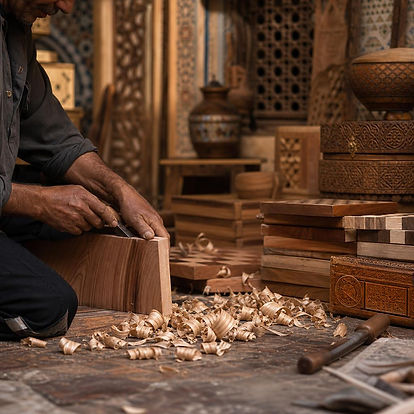
Souk Chouari, in the northern part of the Marrakech Medina, is the city's traditional carpentry and woodworking market, a quieter, less-visited corner of the souk district where the scent of cedar wood fills the air and the sound of hand tools still marks the working day.
Where the Name Comes From
The name Chouari comes from chouari, the twin-basket pannier traditionally slung across a donkey's back for carrying goods. Traders in this souk originally sold these woven panniers alongside the carpentry work produced by neighboring cabinetmakers, and the name stuck even as the pannier trade itself became a smaller part of the souk's overall business.
A Quieter Souk, Still Alive with Craft
Unlike the high-traffic thoroughfares of Semmarine or El Attarine, Souk Chouari tends to be one of the calmer, less crowded parts of the Medina souk network. Visitors who make the walk here, typically 15 to 20 minutes northeast from Jemaa el-Fnaa, are often rewarded with the chance to actually watch cabinetmakers at work, chiseling and shaping cedar by hand rather than browsing finished stock alone.
The trade here is described by those who cover it as a genuinely living tradition rather than a staged demonstration for tourists: real workshops producing real goods, using techniques and tools that have changed little over generations.
What's Made and Sold Here
Souk Chouari is where Marrakech's cabinetmakers and carpenters sell their finished work, pieces made from freshly cut cedar, walnut, and other local woods. Typical items include:
-
Chess boards and games
-
Carved wooden boxes and jewelry boxes
-
Trays, bowls, and salad bowls
-
Coffee tables and small furniture pieces
-
Carved masks and decorative figurines
-
Traditional wooden spoons and utensils
-
Chouaris themselves, the woven donkey panniers the souk is named for
Many pieces are inlaid with mother-of-pearl or hand-painted, reflecting the same decorative techniques used elsewhere in Moroccan woodworking traditions, including the more famous Nejjarine woodworking quarter in Fez.